

Team Meet & Greet: Brendan
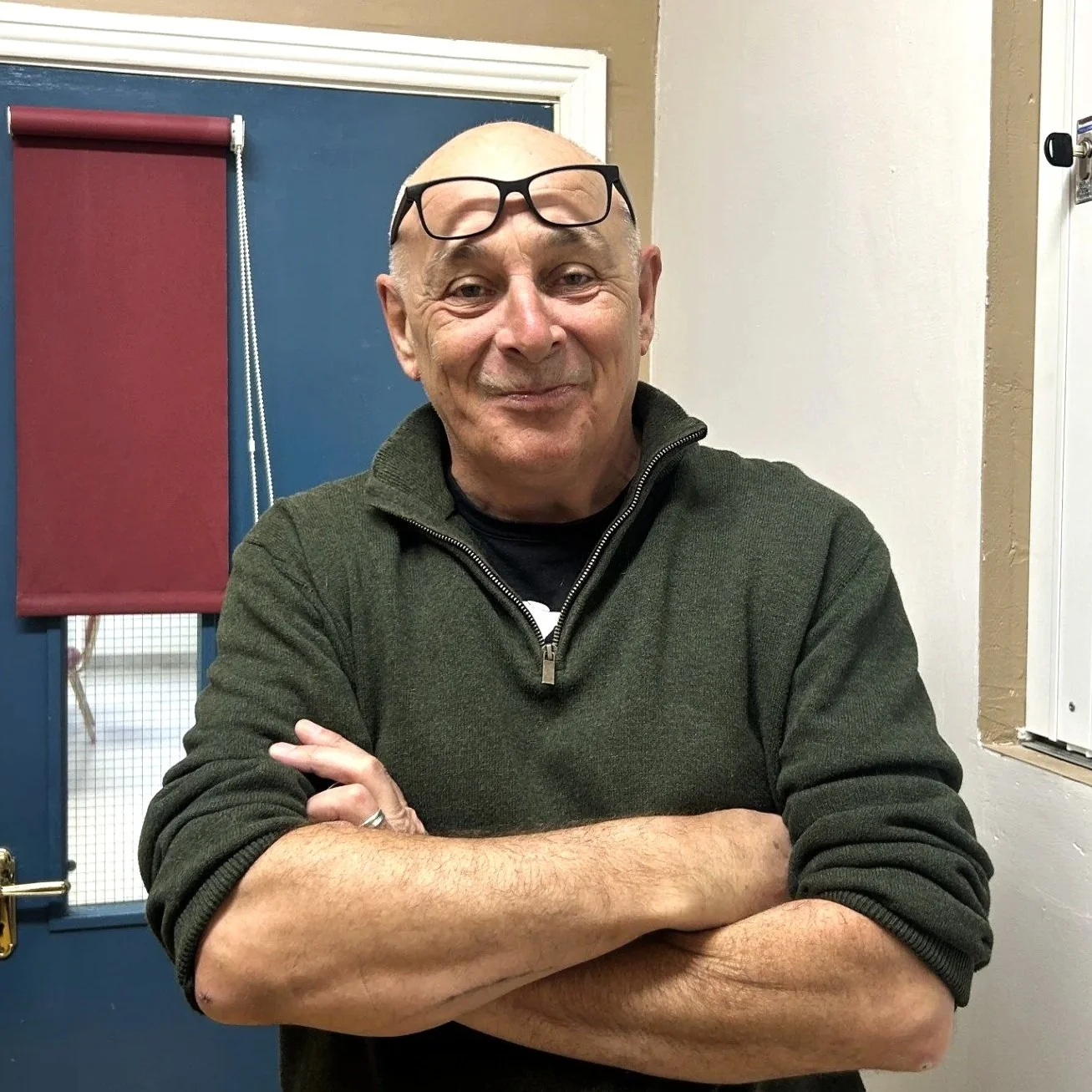
We recently caught up with Brendan, the Drop-In Co-Ordinator with Rialto Community Drug Team (RCDT) who are based here in St. Andrew’s.
Read on to learn more about his role, the work of the RCDT, and what inspires him most about supporting the local community.
1. Tell us a bit about yourself — What’s your role at St Andrew’s, and which project are you involved with?
I’m Brendan, and I’m part of the Rialto Community Drug Team (RCDT) as their Drop-in Coordinator.
I started here in January 2000, initially as a CE scheme general assistant in the drop-in service. At the time, methadone clinics were operating from the centre. It was also pre-internet, so the drop-in was a very busy place. It was mainly myself and Phyllis, and while it could be noisy and chaotic, there was always a great energy.
In 2001, the Local Drug Taskforce secured funding for a full-time position, and I began working in the drop-in alongside Phyllis. The service included homeless dinners, which were primarily a way of getting people through the door and helping them access other supports. Families also used the drop-in, making it an incredibly busy space, and childcare was available at the time. There was also a full-time prison worker based in the centre.
Following the crash in 2008, we lost some funding and a number of positions. I took on more key-working with clients, supporting people around methadone and alcohol. Around that time, Nora was facilitating an alcohol support and information group. That same Monday service has been running since 2008 and is open to anyone looking to change their relationship with alcohol. We also provide one-to-one support, with many referrals coming directly to me, as well as SMART Recovery training and other supports.
Over the years, the methadone service eventually moved out of St Andrew’s, with clients transferred to HSE clinics. There’s now a clinic across the road. The nature of drug use and addiction in the community has also changed significantly. New drugs and new patterns of use have emerged, without necessarily having dedicated clinics or services to respond to them. It’s important to recognise that recreational drug use is pervasive in Ireland and that casual use is common.
For people who come through the RCDT, taking that first step can often be the beginning of a real motivation to change, particularly when they have services invested in supporting them. We receive referrals from a wide range of places, including hospitals, GPs and Tusla.
There are also very few locally based alcohol support groups, so referrals can come from across the county.
The alcohol group is currently run by myself and Nora, and continues to provide an important space for people who want to make a change.
2. Can you give us an overview of what your project does within the centre (e.g. RCDT, RYP, RDA, etc.)?
The project initially grew out of the Rialto Youth Project and eventually developed into the Rialto Community Drug Team. The initiative began in the mid 90’s.
At its core, the project tries to respond to the needs of the community and the effects of substance use and addiction, while also anticipating emerging trends. For example, when chemsex became an issue, Graham developed services in response and found himself inundated with people looking for support – a good example of something that wasn’t on our radar and once we knew about it, it could be responded to.
A lot of what we do comes from seeing something emerging on the radar, researching it and then developing a service in response. Word of mouth also plays a big part in people finding their way to us.
We try to do what we can within a limited budget and be creative in how we provide support. But there is always a need for more services and more resources. There’s a strong voluntary attitude within the community, but having something properly funded and resourced makes a huge difference.
3. What have been some recent highlights or challenges in your role?
I really enjoy the job and, most of all, I like working with people.
The thing that makes it worthwhile is seeing people move on after benefiting from the programmes and supports here. Knowing that someone has taken those next steps and is doing well makes all the work feel worthwhile.
4. For anyone interested in learning more or getting involved with your project, what’s the best way to get in touch?
The best place to find out more is through the Rialto Community Drug Team website here, where you can find contact details and information about all of the services available as well as information about the service and how we came to be.